

The Everyday Power of Simply Being There
Helping someone rarely feels like a life-changing moment. It’s usually something small, for example, a task or chore, a message, a quiet gesture, or a bit of support offered without any expectation. Yet these simple actions tend to linger in unexpected ways. Over time, they shape the person giving just as much as the person receiving.
Many health experts say that generosity has a calming, almost grounding effect. BBC Health highlighted how acts of kindness activate parts of the brain linked with ease and emotional balance. It’s not a dramatic “feel good” rush, but it is more like a steadying sensation that takes the edge off the day.
Why Supporting Someone Creates Mental Ease
Modern life leaves very little room for the mind to breathe. Stress shows up quickly and stays longer than it should. One reason helping others feels comforting is that it interrupts this cycle. Attention shifts outward, even briefly, and that shift gives the mind a small window of relief.
According to one study on psychology, acts of giving help break the loop of repetitive thoughts that fuel anxiety. When someone offers help, whether it’s time, money or emotional support, the brain moves into a calmer rhythm. Many describe it as a feeling similar to taking a slow, deep breath after a long day.
How Generosity Makes Social Life Feel Lighter
A community built on everyday generosity feels different. It becomes the kind of environment where conversations feel more natural, trust grows faster, and people simply feel safer around one another. And the people participating in those acts often notice the benefits first.
Loneliness has become a growing concern across the UK, and studies keep pointing toward the same solution: connection makes life easier to handle. Helping others naturally creates these connections. It turns strangers into acquaintances and acquaintances into people who feel familiar. Even one small act can open the door to relationships that feel more meaningful.
Emotional Growth That Happens Quietly in the Background
Helping others strengthens qualities like patience, empathy and perspective. These are all of the traits that often get overshadowed by stress or deadlines. These skills don’t appear suddenly; they grow slowly, through repeated small acts that make someone more emotionally steady.
In fact, many UK workplaces have noticed this shift. Employee wellbeing programmes often encourage participation in volunteer efforts or charitable activities because of the improvements seen in communication and teamwork. People who regularly help others tend to listen better, respond more thoughtfully and stay calmer in tense situations. That emotional balance carries into almost every part of life.
The Kind of Purpose That Doesn’t Need Grand Gestures
Purpose can look different for everyone. For some, it’s tied to a career. For others, it shows up in family or creativity. But many discover a deeper sense of meaning through generosity. It creates a feeling that life isn’t just happening in isolation; it’s connected to something larger, something shared.
Structured giving plays a role here as well. One example often highlighted in community research involves the decision to donate zakat. Contributions like this support people in need while also giving the giver a quiet sense of direction and stability. It becomes a steady reminder that doing good doesn’t require perfection, but only requires consistency.
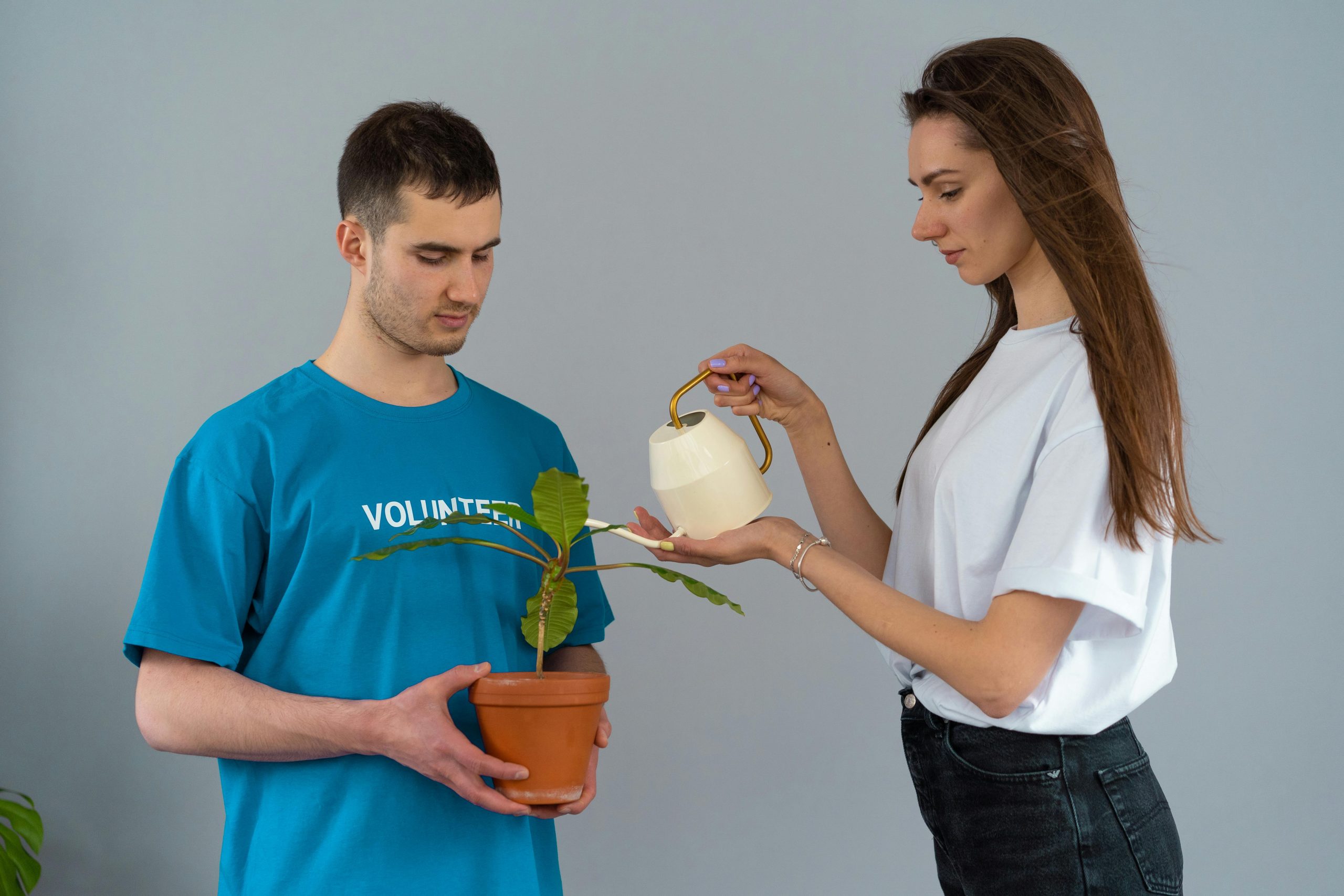
When Helping Others Becomes a Natural Habit
The more someone helps others, the more natural it becomes. Over time, generosity shifts from a conscious decision into a gentle part of who someone is. It influences how they respond to conflict, how they handle stress and how they show up for people around them. It even changes the way they view their own challenges, problems feel less overwhelming when life includes moments of connection and purpose.
The beauty of generosity is that it doesn’t demand large gestures. It grows quietly. It expands through small choices and everyday moments. And in a world that often feels rushed, unpredictable or disconnected, helping others brings a sense of balance that’s surprisingly rare.
It offers something simple yet powerful: the reminder that shared wellbeing still matters and that even a small act of support can make life feel steadier, kinder and more meaningful on both sides.
