
What Are the Differences Between an Office Meeting Table and a Standard Meeting Room Table in Terms of Design and Functionality?

Choosing a meeting table involves more than comparing size and appearance. Furniture should suit the work performed in the room, the number of participants, and the equipment they use. Office meetings often involve quick discussions and daily planning, while dedicated meeting rooms may host presentations, supplier reviews, or formal negotiations. These differences influence table dimensions, seating arrangements, cable access, and material selection.

The distinction is not absolute. Some offices use one table for several purposes, while meeting rooms may also support everyday teamwork. Buyers should assess the room layout and working habits before choosing furniture. A conference room table may suit a dedicated discussion space, but its size and features must still match actual requirements.

Office Tables Must Adapt to Daily Tasks

Office meetings often involve small teams, project updates, and brief discussions. Compact rectangular tables can preserve walking space while accommodating laptops, notebooks, and documents. In smaller offices, the table may also need to fit beside existing desks or storage units.

Shared office tables often support several activities throughout the day. Employees might use them for morning planning and later review documents or work on projects together. Buyers should consider whether the furniture needs to move between activities. Easy rearrangement can be useful, provided the table remains stable during normal use.

Meeting Rooms Need a Clearer Layout

Standard meeting rooms are generally arranged around planned group activities. Table dimensions should reflect expected attendance, door positions, display placement, and the space needed to move chairs. Choosing a larger surface without checking circulation space may make the room uncomfortable.

Formal rooms also benefit from coordinated furniture. Table finishes should work with chairs, storage units, and presentation equipment. Consistent specifications can be particularly useful for government offices, educational institutions, hospitals, and large enterprises that furnish several rooms.

Table shape influences communication, too. Rectangular designs suit structured discussions, while oval or boat-shaped options may improve sightlines in certain layouts. When evaluating a conference room table, procurement teams should consider where participants sit, where displays are positioned, and how documents are shared.

Equipment Access Changes the Requirements

The functional difference between office and meeting room tables depends on their intended use. Office furniture may need to support changing tasks in limited space. Dedicated meeting room furniture may prioritize participant capacity, presentation equipment, and a consistent arrangement. Neither category is automatically more practical.

Cable management matters in both settings. Laptops, monitors, and chargers can leave wires spread across the surface. Built-in cable access helps organize connections and preserve working space. Buyers should check the positions of wall outlets and floor boxes before confirming the table layout.

Structural support deserves equal attention. The tabletop, legs, and under-desk beams contribute to stability. Buyers should assess the complete construction rather than judge strength by appearance alone. Cleaning requirements and access beneath the table also affect routine maintenance.

Material Choices Affect Everyday Maintenance

Melamine-finished particle board provides a finished surface for regular workplace use. Buyers should check the board grade, edge treatment, and cleaning instructions before comparing quotations. These details help facilities teams maintain the furniture without damaging its finish.

Metal frames require careful specification as well. Leg dimensions, material thickness, and connecting beams all influence the overall structure. Procurement teams should compare these details with the intended table size and usage requirements instead of relying on one specification as the sole measure of quality.

Organizations purchasing furniture for several locations may benefit from consistent materials and specifications. However, one design may not suit every room. Available space, meeting frequency, equipment needs, and budget should determine the final choice.

Product Features Illustrate Practical Design

The NOVA meeting table #30 combines an E0-grade particle board tabletop with a melamine finish and cold-rolled steel support components. Its specifications give buyers concrete details to review when comparing furniture for offices and meeting spaces. Final suitability depends on the required dimensions and room arrangement.

The table legs use cold-rolled steel measuring 70 × 40 × 1.2 mm. Its under-desk beam uses heavy-duty cold-rolled steel measuring 38 × 38 × 1.2 mm. These measurements help procurement teams evaluate the construction against project requirements.

Cable organization is another consideration. The built-in cable box helps reduce clutter and maintain an organized workspace. Leadcom seating offers furniture solutions for professional environments and integrates several manufacturing processes, including metal processing, injection molding, PU foam production, and wood processing. Buyers can assess these capabilities alongside product specifications and project requirements.

Procurement Decisions Should Follow the Room Plan

Before requesting quotations, measure the room, mark walking routes, and estimate the usual number of participants. Record the equipment used during meetings and identify display positions, outlets, and floor boxes. These checks help determine suitable dimensions, shapes, and cable arrangements before appearance becomes the main consideration.

Next, prepare a specification sheet covering tabletop material, frame construction, cable management, finish, and maintenance. For multi-site projects, review delivery arrangements, installation requirements, warranty coverage, and after-sales support. According to the supplied company information, Leadcom seating offers a five-year warranty and an eight-part VIP service system. Buyers should confirm the applicable terms for their order.

The final choice should reflect how the room operates. Flexible office areas may require adaptable layouts, while dedicated meeting rooms may prioritize presentation and group communication. A suitable conference room table balances seating space, equipment access, structural support, and maintenance needs. Comparing these factors helps procurement teams select furniture according to practical requirements rather than appearance alone.

Manufacturer Options for Tuning High-Flow Solar Irrigation Systems

High-flow irrigation systems must deliver sufficient water across large agricultural areas while adapting to changing solar power. Pump capacity alone cannot determine performance. Pipeline resistance, motor speed, water pressure, and photovoltaic output also affect daily operation. Poorly matched equipment may cause unstable flow or frequent interruptions during irrigation. Selecting suitable solar inverter solutions requires careful …

Read more

Why a 500-Pound 12×20 Gazebo Still Needs Concrete Anchors: Understanding Wind Uplift and Slab Edge Distance

A 500-pound gazebo may seem heavy enough to remain stable outdoors, especially when installed on a concrete patio. However, weight alone does not guarantee stability when strong winds arrive. For homeowners considering large hardtop gazebos, understanding wind uplift, anchoring methods, and concrete slab edge distance is essential to creating a safer and more reliable outdoor living space.

A 12×20 gazebo provides generous room for outdoor dining, entertaining, and relaxing. Yet its large roof also creates a surface that wind can push against and lift. Before installing an outdoor hardtop gazebo, it is important to understand why concrete anchors matter, how they help resist wind forces, and what to consider when choosing an installation location.

Why a 500-Pound Gazebo Can Still Move in Strong Winds

A gazebo’s weight helps resist movement, but wind introduces forces that are not limited to horizontal pushing. When air flows around and beneath a roof, pressure differences can create an upward force known as wind uplift. This force may attempt to lift the roof and pull the supporting frame away from its foundation.

A 12×20 gazebo has a roof footprint of approximately 240 square feet. Even when a hardtop roof is made from durable materials, its broad surface can experience considerable wind pressure. The actual uplift force depends on wind speed, roof geometry, exposure, and other site-specific conditions.

This is why a heavy structure should not rely on gravity alone. If wind forces exceed the resistance provided by the gazebo’s weight and friction, its legs may shift or lift. Proper anchoring creates a mechanical connection between the gazebo frame and the supporting surface, helping the structure resist movement.

For homeowners exploring SUNJOY hardtop gazebos, the key consideration is not simply how much the structure weighs, but whether the entire installation system is appropriate for the expected conditions.

Do You Have to Bolt a Heavy Gazebo to Concrete?

When installing a gazebo on a concrete patio, anchoring is generally an important part of securing the structure. A heavy frame does not eliminate the need for suitable fasteners, particularly when the gazebo has a large roof exposed to changing weather.

Concrete anchors connect the gazebo’s base plates to the slab, helping resist sliding, overturning, and uplift. However, not every anchor is suitable for every application. The correct type depends on factors such as the concrete’s thickness and condition, anchor specifications, installation requirements, and expected loads.

Before drilling, check the gazebo manufacturer’s installation instructions to confirm the recommended anchoring method and hardware. If the included hardware is intended for a different surface, do not assume it is suitable for concrete without verifying compatibility.

It is equally important to inspect the slab. Cracked, deteriorated, or unusually thin concrete may not provide adequate holding strength. Where the installation involves a large structure or challenging wind exposure, a qualified professional can help assess the foundation and anchoring requirements.

Why Concrete Slab Edge Distance Matters

Even the right anchor can perform poorly if it is installed too close to the edge of a concrete slab. Anchor placement is therefore an important consideration when positioning a 12×20 outdoor hardtop gazebo.

When an anchor is loaded, it transfers force into the surrounding concrete. If it is too close to an edge, the concrete may crack or break away under tension. This can reduce the anchor’s ability to hold the gazebo securely, particularly when wind uplift places repeated stress on the connection.

The required edge distance varies according to the anchor type, diameter, embedment depth, concrete properties, and applied loads. There is no single measurement that works for every gazebo installation.

Before assembling the structure, measure the slab and plan where each gazebo leg will sit. Confirm that the anchor locations meet the applicable manufacturer requirements and the anchor manufacturer’s specifications. If the slab is too narrow or the legs must sit near an edge, consider a different location or seek professional guidance before drilling.

Planning these details in advance can help prevent installation problems that are difficult to correct after the gazebo is assembled.

Choosing the Right Foundation for Hardtop Gazebos

A suitable foundation should support the gazebo’s weight while providing reliable resistance to the forces it may experience outdoors. A sound concrete slab can be a practical option, but its suitability depends on its design, condition, thickness, and reinforcement.

Homeowners should also consider the surrounding environment. Open yards, exposed patios, and locations between buildings can experience different wind conditions. Roof design, nearby structures, and local weather patterns all influence the forces acting on a gazebo.

SUNJOY offers a range of hardtop gazebos designed for outdoor living. When comparing models, review the product specifications, assembly instructions, and anchoring guidance before choosing a location. These details help ensure that the gazebo and its foundation are considered together rather than as separate decisions.

Build a More Secure Outdoor Living Space With SUNJOY

A 500-pound 12×20 gazebo may look substantial, but its weight cannot replace proper anchoring. Wind uplift can place significant stress on a large roof, while insufficient concrete slab edge distance can weaken the connection between the structure and its foundation.

By checking the slab’s condition, planning anchor placement, following installation specifications, and accounting for local wind exposure, homeowners can make more informed decisions about their outdoor space.

Explore the SUNJOY hardtop gazebo collection to find a design that suits your patio and outdoor living needs. With careful product selection and a properly planned installation, your gazebo can become a more dependable setting for outdoor dining, family gatherings, and everyday relaxation.

How Central Bank Expectations Shape EUR/USD Trading Decisions

The EUR/USD pair is one of the most actively traded currency pairs in the global foreign exchange market. Its price can respond quickly to changes in economic data, interest rate expectations, inflation trends, and central bank communication. For traders, understanding these factors is only part of the process. Choosing a suitable forex trading platform is also important because market conditions can change quickly when major economic announcements are released.

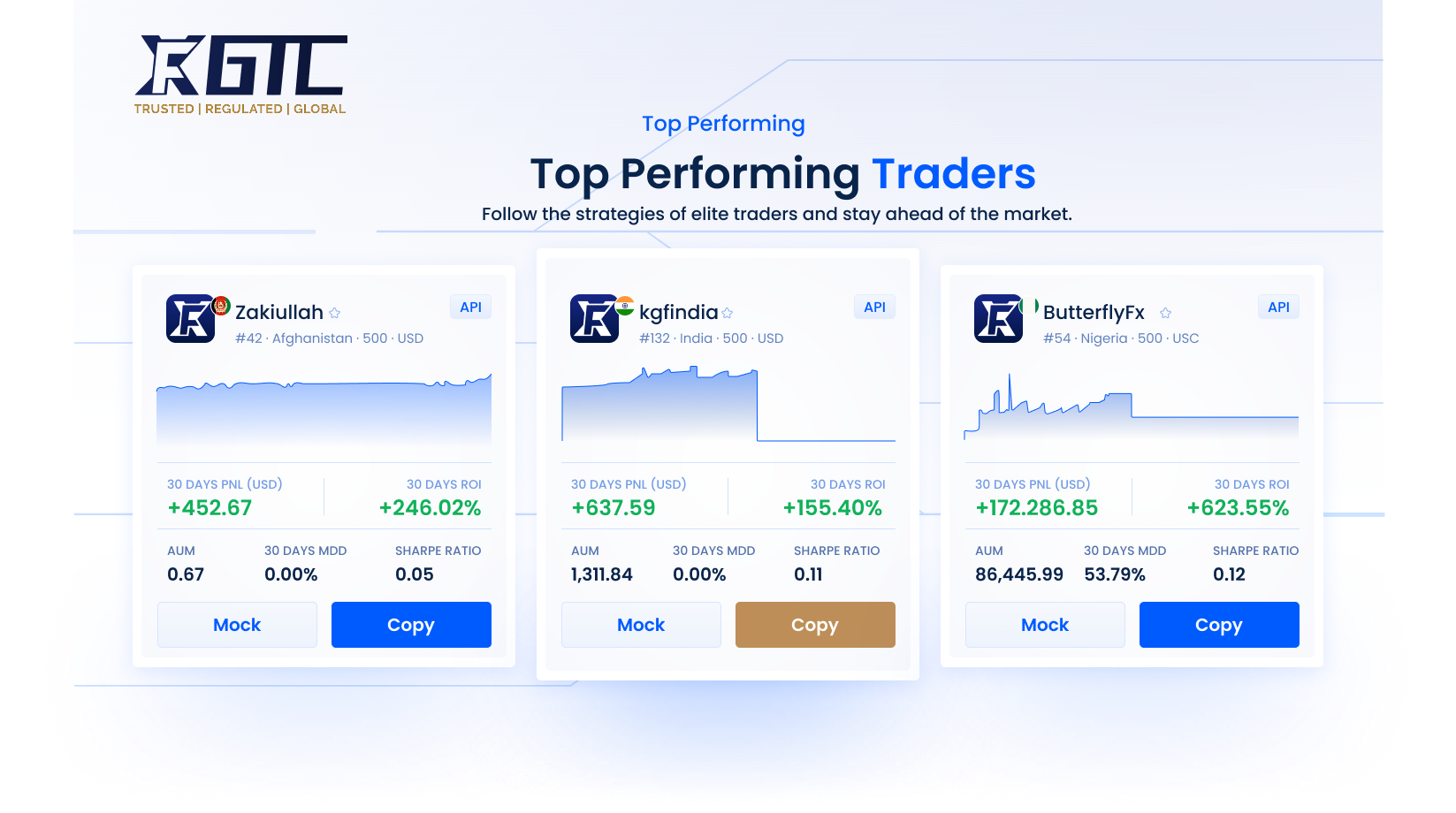
For traders monitoring the euro and US dollar, the monetary policy outlook of the European Central Bank and the Federal Reserve can provide useful context. A global forex trading platform such as GTCFX provides access to EUR/USD and other currency pairs, together with trading tools designed for monitoring prices and executing positions.

Why Fed and ECB Expectations Matter for EUR/USD

The value of EUR/USD reflects the relative strength of the euro against the US dollar. Monetary policy expectations can influence this relationship because interest rates affect capital flows, currency demand, and market expectations.

When traders expect the Federal Reserve to maintain higher interest rates for longer, the US dollar may receive support as market participants reassess the relative return available from dollar denominated assets. Conversely, expectations of monetary easing can affect the dollar by changing assumptions about future interest rate differentials.

The European Central Bank can influence the euro through a similar mechanism. Expectations surrounding ECB rate decisions, inflation, economic growth, and official guidance can change the market’s view of the euro. As a result, EUR/USD traders often pay attention to both central banks rather than evaluating either currency in isolation.

This does not mean that a rate decision automatically determines the direction of EUR/USD. Currency markets incorporate expectations before official announcements, while economic data and forward guidance can alter those expectations rapidly.

What Should Traders Monitor Before Trading EUR/USD?

A practical approach starts with the economic calendar. Inflation reports, employment figures, GDP data, purchasing manager surveys, and central bank meetings can all influence expectations for future monetary policy.

For the Federal Reserve, inflation and employment conditions are particularly relevant when assessing the potential path of US interest rates. For the ECB, traders may also monitor eurozone inflation, economic activity, and comments from policymakers.

Market pricing is another important consideration. If an interest rate decision is already widely anticipated, the actual announcement may have a smaller impact than an unexpected change in the central bank’s guidance.

This is why traders using a forex trading platform should consider both the economic release itself and the difference between market expectations and the final outcome. Sudden changes in expectations can contribute to increased volatility and wider trading costs around major announcements.

Choosing a Forex Trading Platform for Global Markets

A trading platform should provide more than access to currency pairs. Traders may need reliable price feeds, order execution, charting tools, and access across different devices.

GTCFX states that its forex offering includes more than 70 currency pairs, covering major, minor, and exotic pairs. Its platform options include MT4, MT5, and the GTC Go app, allowing users to access markets through desktop, web, or mobile environments.

Execution conditions can also become relevant during periods of elevated volatility. GTCFX reports execution latency below 10 milliseconds and offers ECN accounts with spreads starting from 0.0 pips, subject to the applicable account terms and trading conditions.

For someone comparing a global forex trading platform, it is useful to examine the complete trading environment rather than focusing on a single feature. Spreads, commissions, execution, available instruments, platform compatibility, account requirements, and the regulatory entity serving the client’s jurisdiction should all be considered.

Using Technology Without Ignoring Risk

A modern forex trading platform can make it easier to monitor currency prices, economic events, and technical indicators. However, technology does not remove the risks associated with leveraged trading.

Forex CFDs are leveraged products, meaning relatively small market movements can have a significant effect on account equity. GTCFX specifically warns that losses can exceed the initial capital invested and that traders should understand the products and risks before trading.

Risk management therefore remains important when trading around central bank announcements. Traders may consider position size, available margin, stop loss arrangements, and the potential for rapid price movements before entering a position. Economic events can produce volatility that is difficult to predict, even when the underlying policy direction appears relatively clear.

A More Structured Approach to EUR/USD Trading

Successful analysis of EUR/USD requires connecting several pieces of information. Central bank policy provides the broader monetary framework, economic data can change expectations, and market pricing shows how traders are currently interpreting those developments.

A forex trading platform provides the practical tools for implementing a trading plan, but the platform itself does not determine market direction. Traders still need to evaluate economic information, understand their exposure, and consider whether a particular position is appropriate for their risk tolerance.

For traders looking for access to international currency markets, GTCFX offers EUR/USD alongside a broader range of forex pairs and supports MT4, MT5, and its GTC Go application. The company’s international website also notes that product availability and the contracting entity depend on the client’s jurisdiction and eligibility.

Understanding EUR/USD Beyond a Single Rate Decision

EUR/USD is influenced by an ongoing interaction between monetary policy, economic data, market expectations, and broader financial conditions. A Federal Reserve or ECB decision is therefore better viewed as one part of a larger market process rather than an isolated trading signal.

For traders evaluating a global forex trading platform, the same principle applies. Comparing execution, pricing, platform functionality, currency coverage, account conditions, and applicable regulatory information can provide a clearer basis for selecting a trading environment.

GTCFX provides access to multiple forex pairs and trading platforms, giving traders tools to monitor the market as monetary policy expectations evolve. A disciplined approach, combined with an understanding of market risk, remains essential when trading EUR/USD and other leveraged forex products.

How Nylon Tube Extrusion Line Configuration Is Optimised for Automotive Multi-Colour Identification Coding

Colour coding gives automotive tubing a visual identification layer that can simplify assembly, routing, inspection, and service work across complex vehicle systems. Yet producing many standardized colours on the same high-volume line creates a less visible manufacturing challenge: every transition can leave residual material, consume setup time, and generate off-specification tubing. Nylon tube extrusion must …

Read more

Future Innovation: Silicon Anodes in Custom Li-ion Batteries

The demand for higher energy density is reshaping lithium-ion battery development. Consumer electronics are becoming thinner and more capable, while connected devices require longer operating times without significantly increasing battery size. These requirements are encouraging manufacturers to explore advanced electrode materials. Among them, silicon has attracted considerable attention as a potential alternative or supplement to …

Read more

¿Vale la pena elegir un SUV pensando en los trayectos que realmente haces?

Comprar un SUV suele estar relacionado con la idea de tener más espacio, comodidad y libertad para viajar. Sin embargo, antes de elegir un modelo de GAC, los conductores en Panamá deberían hacerse una pregunta más práctica: ¿para qué utilizaré realmente el vehículo durante la mayor parte del año? Elegir un auto pensando únicamente en …

Read more

How To Measure Your Patio For A Pergola Kit

Getting the measurements right before ordering matters just as much as selecting the style. Available patio space, furniture placement, walking clearance, and the relationship between the house and surrounding features all influence whether a structure will feel comfortable once installed. Careful planning can make patio pergola installation much more straightforward, while SUNJOY offers pergola designs …

Read more

Industrial Battery Storage Price Analysis: Key Cost Factors

Industrial battery storage projects involve complex cost structures that go beyond the price of battery cells alone. Companies planning large-scale energy storage systems must consider equipment configuration, power requirements, installation conditions, and long-term operating expenses before making investment decisions. The price of an industrial battery storage system varies depending on how the solution is designed …

Read more

Troubleshooting Common Issues in Utility Scale Battery Storage

Grid operators and infrastructure developers face significant technical hurdles when maintaining large-scale energy infrastructure. As intermittent renewable penetration increases, multi-megawatt installations must deliver unwavering reliability. This guide analyzes frequent operational failure points and provides structured technical remedies to maximize system uptime and financial returns. Thermal Management Failures and Temperature Gradients Large-scale energy assets generate immense …

Read more