
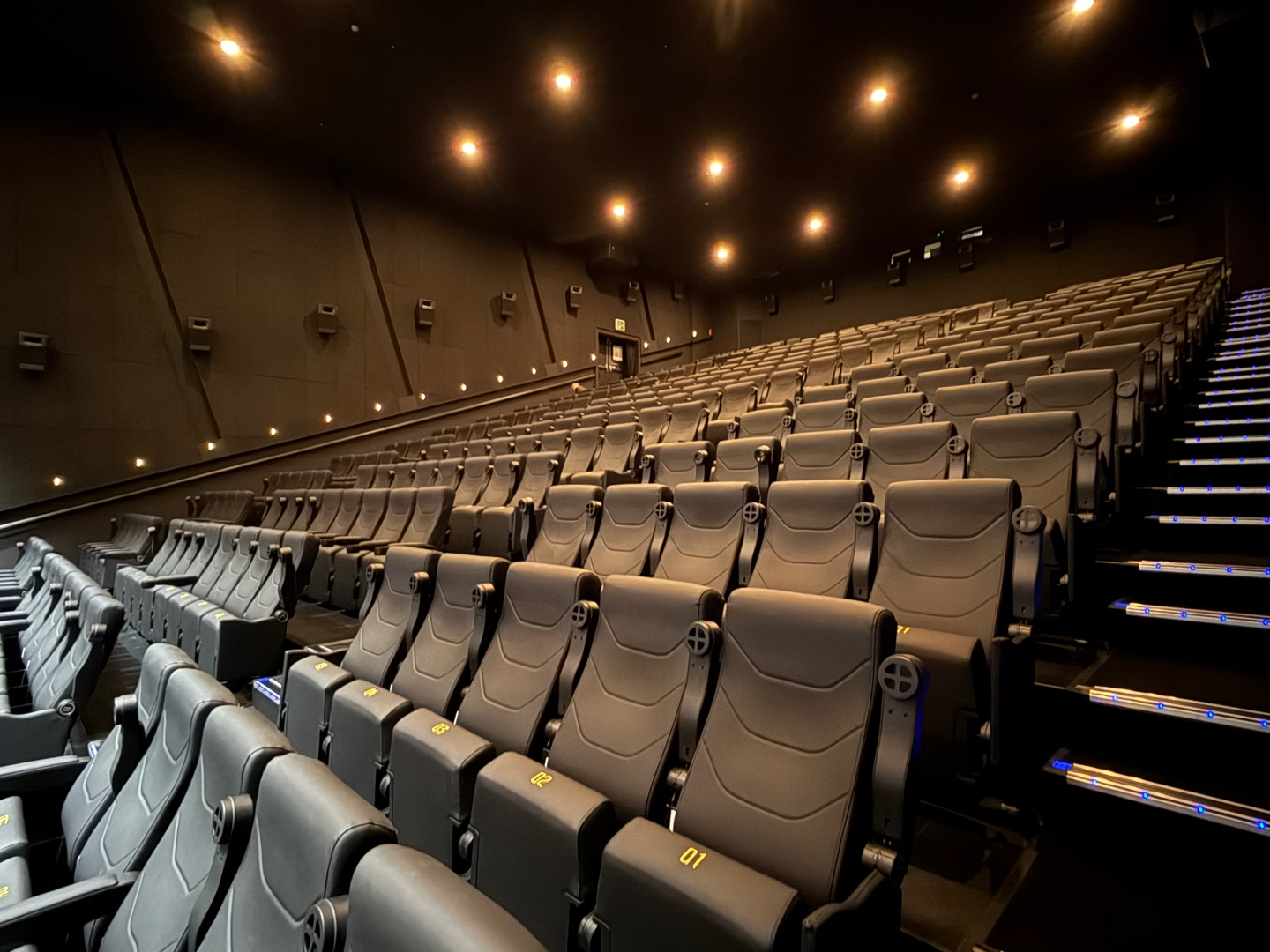
Multi-screen venues need commercial theater chairs that can survive constant use while remaining easy to clean and repair. In this setting, theatre seating must be judged by daily operating cost as much as opening-night appearance. Leadcom Seating designs theatre seating with both aesthetics and functionality in mind, which is important for cinema chains, cultural centers, education auditoriums, and overseas agents serving commercial operators. Lower maintenance begins with materials, folding behavior, frame strength, and a project plan that reduces future disruption. Every avoided repair visit protects revenue, especially when several halls must remain open through long daily schedules.
Designing for Cleaning and Repairs
Cleaning access should be considered before the layout is approved. Cup holders, armrests, seat gaps, upholstery type, and row spacing all influence how quickly staff can prepare a hall between sessions. Folding auditorium chairs can suit venues that need flexible layouts without compromising style or durability. That idea also applies to commercial theater chairs in high-frequency screening environments. A venue with several halls cannot afford seats that look refined but trap waste, loosen easily, or require complicated disassembly during routine service. Maintenance staff should be invited into the specification process because they understand cleaning routes, common damage points, and the time available between screenings.
Durability Across Repeated Screenings
Durability is not only a material question. The theatre seating partner should discuss how the frame is fixed, how moving parts are tested, how replacement parts are supplied, and how after-sales support is organized. Leadcom Seating’s company profile connects custom project management with production and quality control, pre-sales, and after-sales services. For large enterprises and government-funded venues, this creates a more reliable basis for lifecycle costing. Overseas agents can also use this information to reassure local operators that commercial theater chairs will be supported after the shipment arrives. The same lifecycle view is useful for government cultural facilities, large enterprise cinemas, and overseas agents that must support local operators after opening.
Lower Cost Through Project Support
A maintenance-conscious specification does not mean choosing the plainest seat. It means aligning comfort, fabric, structure, and service planning with the venue’s actual schedule. Technical and on-site support can resolve issues in a fast and cost-effective way when experienced technicians and installers are involved. That kind of support is important when several screens must remain open. The well-designed theatre seating solution helps commercial theater chairs preserve a polished visitor experience while reducing avoidable repair visits and downtime. In this way, well-designed theatre seating helps operators reduce maintenance pressure without sacrificing visual quality or visitor comfort.
