Industrial battery storage projects involve complex cost structures that go beyond the price of battery cells alone. Companies planning large-scale energy storage systems must consider equipment configuration, power requirements, installation conditions, and long-term operating expenses before making investment decisions.

The price of an industrial battery storage system varies depending on how the solution is designed and where it will be deployed. A detailed cost analysis helps businesses understand which factors have the greatest impact on total investment and how to select a system that delivers better economic value.
Battery Capacity and Configuration Affect Storage CostsBattery capacity is one of the primary factors influencing the overall price of an industrial storage project. Higher usable energy capacity generally requires more battery equipment, while higher power ratings may require larger PCS, transformers, switchgear, cabling, and interconnection capacity.The required capacity depends on the application purpose. Facilities using storage for peak shaving may need different specifications compared with renewable energy projects that require longer discharge durations. Selecting the correct capacity reduces unnecessary spending on excessive storage capability.System configuration also affects pricing. A complete storage solution may include battery modules, power conversion equipment, energy management systems, safety components, and monitoring technology. Each element contributes to system performance and influences the final project budget.A well-planned
energy container solution can simplify the integration of these components by combining multiple systems into a standardized structure. This approach can improve deployment efficiency while helping project developers manage installation complexity.
Battery Technology and Performance RequirementsBattery technology selection plays an important role in determining storage investment costs. Different battery systems vary in energy density, efficiency, durability, and operational characteristics. These differences influence both upfront expenses and long-term financial returns.Industrial users often evaluate battery technology based on expected operating conditions. Projects in demanding environments may require stronger temperature management, enhanced safety features, or higher durability standards, which can affect pricing.The value of a storage system depends not only on its purchase price but also on its ability to maintain reliable performance over time. A solution with lower initial costs may create additional expenses if it requires frequent maintenance or replacement.Great Power offers energy storage cells, packs, racks, outdoor battery systems, and containerized products for C&I and utility-scale applications. With an eye toward system stability and operational efficiency, the company has developed solutions to meet a wide range of commercial and industrial energy demands.
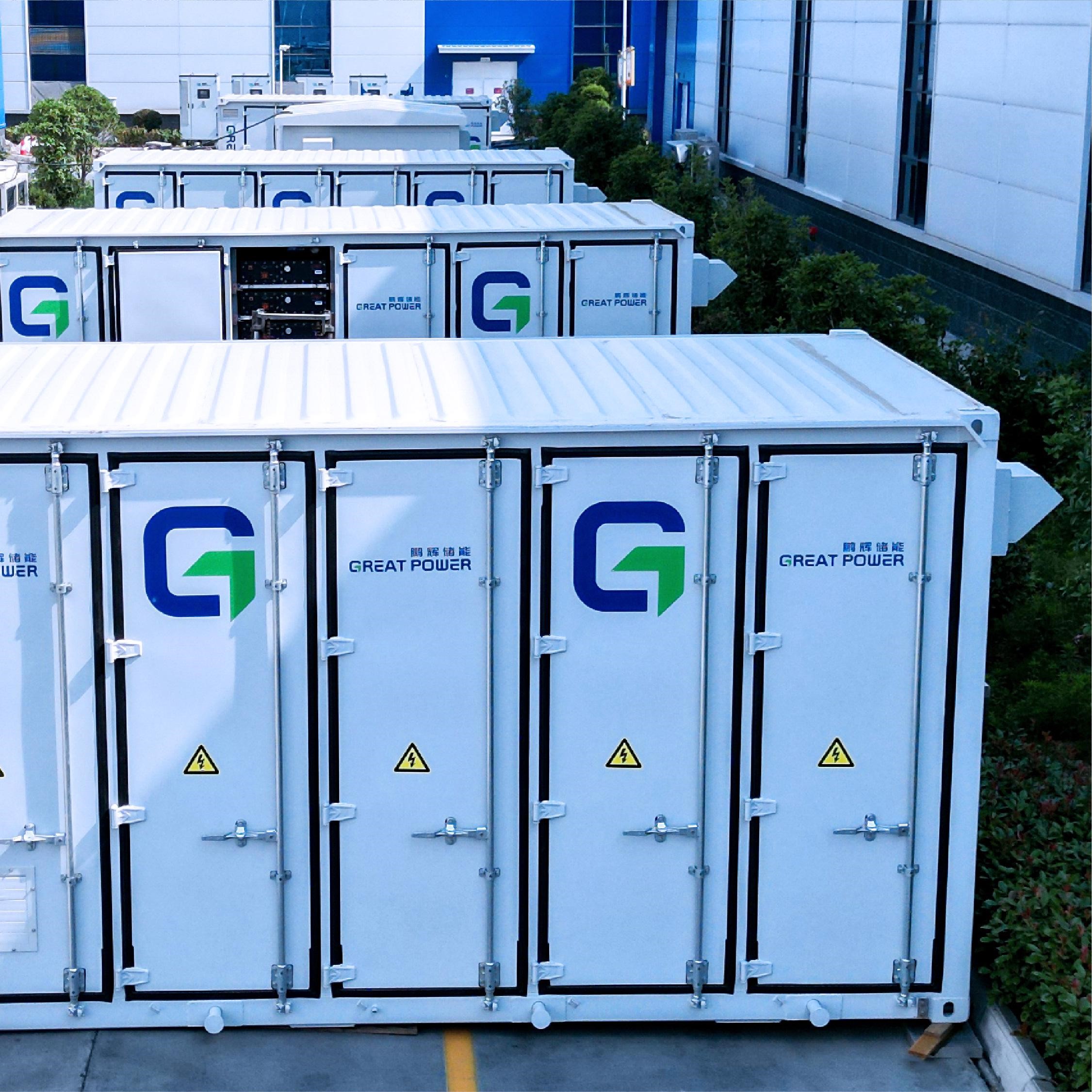
The Impact of Energy Container Design on Project ExpensesThe physical structure of a storage system can significantly influence total costs. An energy container integrates battery equipment, protection systems, and supporting components into a compact format, making transportation and installation more efficient for large-scale projects.Containerized designs can reduce engineering complexity because many essential components are pre-integrated before reaching the project site. This can shorten installation periods and help reduce additional construction requirements.However, the cost of an energy container depends on factors such as capacity, internal configuration, environmental protection requirements, and system specifications. Projects operating in extreme climates or remote locations may require additional design considerations.A proper evaluation of container design helps organizations balance initial investment with long-term operational benefits. The most cost-effective solution is not always the lowest-priced option but the one that provides reliable performance throughout its service life.
Installation and Maintenance Costs in Industrial Storage ProjectsEquipment costs represent only part of the total investment. Installation, commissioning, grid connection, and ongoing maintenance also influence the final expense of an industrial battery storage project.Site conditions can create significant differences in project costs. Locations with limited infrastructure may require additional electrical upgrades, transportation arrangements, or specialized installation methods.Maintenance planning is another important consideration. Storage systems with effective monitoring and management capabilities can help operators identify potential issues earlier, reducing unexpected downtime and repair expenses.An
industrial battery storage system should therefore be evaluated through a lifecycle cost approach. Considering operation, maintenance, and future upgrades provides a clearer picture of the actual financial value of the investment.
Application Requirements Determine Cost EfficiencyThe intended application has a direct impact on storage system pricing. Different users require different performance characteristics, and selecting unnecessary features can increase project costs without providing additional value.Industrial facilities may use storage systems for reducing electricity demand charges, improving power reliability, or supporting renewable energy integration. Each application requires a different balance between energy capacity, power output, and response speed.Great Power provides different energy storage product formats for C&I and utility-scale projects with varying capacity, power, installation, and operating requirements. System capabilities and realistic energy management targets are the primary considerations during the selection process.Understanding application requirements allows businesses to make more informed decisions. A properly designed system can support defined energy-management objectives while helping align investment with actual operational requirements .
Long-Term Value Beyond Initial PricingInitial purchase price is an important consideration, but it does not fully represent the economic value of battery storage technology. Factors such as system efficiency, expected lifespan, maintenance requirements, and operational flexibility influence the overall return on investment.Companies investing in storage solutions should compare total ownership costs rather than focusing only on equipment expenses. A higher-quality system may provide better financial performance by delivering stable operation and reducing future replacement needs.When evaluating
Great Power energy storage solutions, businesses should compare total ownership cost, system efficiency, service life, maintenance requirements, and technical support rather than focusing only on the initial equipment price.
ConclusionIndustrial battery storage pricing is shaped by multiple factors, including battery capacity, technology selection, container design, installation requirements, and maintenance considerations. Each element affects the final investment level and determines how effectively a system can support business energy goals.A complete price analysis helps project owners identify the features that matter most for their applications. Evaluating both current costs and future operational benefits creates a more accurate foundation for investment planning.The most suitable storage solution is one that balances performance, reliability, and economic efficiency. Careful consideration of these factors enables industrial users to build energy systems that provide lasting value while meeting evolving power requirements.

 The price of an industrial battery storage system varies depending on how the solution is designed and where it will be deployed. A detailed cost analysis helps businesses understand which factors have the greatest impact on total investment and how to select a system that delivers better economic value.Battery Capacity and Configuration Affect Storage CostsBattery capacity is one of the primary factors influencing the overall price of an industrial storage project. Higher usable energy capacity generally requires more battery equipment, while higher power ratings may require larger PCS, transformers, switchgear, cabling, and interconnection capacity.The required capacity depends on the application purpose. Facilities using storage for peak shaving may need different specifications compared with renewable energy projects that require longer discharge durations. Selecting the correct capacity reduces unnecessary spending on excessive storage capability.System configuration also affects pricing. A complete storage solution may include battery modules, power conversion equipment, energy management systems, safety components, and monitoring technology. Each element contributes to system performance and influences the final project budget.A well-planned energy container solution can simplify the integration of these components by combining multiple systems into a standardized structure. This approach can improve deployment efficiency while helping project developers manage installation complexity.Battery Technology and Performance RequirementsBattery technology selection plays an important role in determining storage investment costs. Different battery systems vary in energy density, efficiency, durability, and operational characteristics. These differences influence both upfront expenses and long-term financial returns.Industrial users often evaluate battery technology based on expected operating conditions. Projects in demanding environments may require stronger temperature management, enhanced safety features, or higher durability standards, which can affect pricing.The value of a storage system depends not only on its purchase price but also on its ability to maintain reliable performance over time. A solution with lower initial costs may create additional expenses if it requires frequent maintenance or replacement.Great Power offers energy storage cells, packs, racks, outdoor battery systems, and containerized products for C&I and utility-scale applications. With an eye toward system stability and operational efficiency, the company has developed solutions to meet a wide range of commercial and industrial energy demands.The Impact of Energy Container Design on Project ExpensesThe physical structure of a storage system can significantly influence total costs. An energy container integrates battery equipment, protection systems, and supporting components into a compact format, making transportation and installation more efficient for large-scale projects.Containerized designs can reduce engineering complexity because many essential components are pre-integrated before reaching the project site. This can shorten installation periods and help reduce additional construction requirements.However, the cost of an energy container depends on factors such as capacity, internal configuration, environmental protection requirements, and system specifications. Projects operating in extreme climates or remote locations may require additional design considerations.A proper evaluation of container design helps organizations balance initial investment with long-term operational benefits. The most cost-effective solution is not always the lowest-priced option but the one that provides reliable performance throughout its service life.Installation and Maintenance Costs in Industrial Storage ProjectsEquipment costs represent only part of the total investment. Installation, commissioning, grid connection, and ongoing maintenance also influence the final expense of an industrial battery storage project.Site conditions can create significant differences in project costs. Locations with limited infrastructure may require additional electrical upgrades, transportation arrangements, or specialized installation methods.Maintenance planning is another important consideration. Storage systems with effective monitoring and management capabilities can help operators identify potential issues earlier, reducing unexpected downtime and repair expenses.An industrial battery storage system should therefore be evaluated through a lifecycle cost approach. Considering operation, maintenance, and future upgrades provides a clearer picture of the actual financial value of the investment.Application Requirements Determine Cost EfficiencyThe intended application has a direct impact on storage system pricing. Different users require different performance characteristics, and selecting unnecessary features can increase project costs without providing additional value.Industrial facilities may use storage systems for reducing electricity demand charges, improving power reliability, or supporting renewable energy integration. Each application requires a different balance between energy capacity, power output, and response speed.Great Power provides different energy storage product formats for C&I and utility-scale projects with varying capacity, power, installation, and operating requirements. System capabilities and realistic energy management targets are the primary considerations during the selection process.Understanding application requirements allows businesses to make more informed decisions. A properly designed system can support defined energy-management objectives while helping align investment with actual operational requirements .Long-Term Value Beyond Initial PricingInitial purchase price is an important consideration, but it does not fully represent the economic value of battery storage technology. Factors such as system efficiency, expected lifespan, maintenance requirements, and operational flexibility influence the overall return on investment.Companies investing in storage solutions should compare total ownership costs rather than focusing only on equipment expenses. A higher-quality system may provide better financial performance by delivering stable operation and reducing future replacement needs.When evaluating Great Power energy storage solutions, businesses should compare total ownership cost, system efficiency, service life, maintenance requirements, and technical support rather than focusing only on the initial equipment price.ConclusionIndustrial battery storage pricing is shaped by multiple factors, including battery capacity, technology selection, container design, installation requirements, and maintenance considerations. Each element affects the final investment level and determines how effectively a system can support business energy goals.A complete price analysis helps project owners identify the features that matter most for their applications. Evaluating both current costs and future operational benefits creates a more accurate foundation for investment planning.The most suitable storage solution is one that balances performance, reliability, and economic efficiency. Careful consideration of these factors enables industrial users to build energy systems that provide lasting value while meeting evolving power requirements.