
China’s electric coach industry has changed through improvements in vehicle manufacturing, component sourcing, and production coordination. Battery systems, electric motors, and electronic controls require careful integration. Manufacturers must also maintain consistent quality while responding to different transport operators’ requirements.
Supply chain innovation has played an important role in this development. For the electric coach China market, progress involves more than purchasing components at lower prices. It includes supplier cooperation, standardized designs, reliable delivery, and technical support throughout the vehicle’s operating life.
Supply Chain Coordination Changed Vehicle Production
Traditional vehicle supply chains mainly focused on mechanical components and assembly schedules. Electric coaches introduce additional requirements because batteries, motors, controllers, and high-voltage equipment must operate together. Component suppliers need to exchange technical information early in vehicle development.
Close cooperation helps manufacturers identify compatibility problems before mass production. Engineers can review electrical interfaces, cooling requirements, installation dimensions, and communication protocols. These checks reduce the risk of design changes after production begins.
Production planning also requires accurate information about component availability. Battery modules and electronic equipment may have different manufacturing cycles. Coordinating purchasing schedules with assembly plans helps factories manage inventory without holding excessive quantities of expensive parts.
Platform Design Supports Component Integration
Platform-based vehicle development has influenced how electric coach manufacturers organize production. Instead of designing every electrical arrangement separately, manufacturers can establish shared engineering principles for related vehicles. This approach supports more consistent component selection and technical documentation.
Modular design also simplifies communication between engineering teams and suppliers. Standardized mounting arrangements, electrical connections, and control interfaces can reduce unnecessary design variations. However, component compatibility still requires testing for each vehicle configuration.
For transport operators, these improvements can affect maintenance planning. Technicians benefit from clear component identification and consistent service procedures. Purchasing teams should request parts catalogs, wiring diagrams, and replacement procedures when evaluating vehicles built on shared platforms.
Supplier Quality Became a Critical Requirement
Electric coach quality depends partly on the performance of purchased components. Battery connectors, high-voltage cables, cooling equipment, and electronic controllers must satisfy defined technical requirements. Problems with these components can interrupt vehicle operations even when the mechanical structure remains functional.
Supplier assessments should examine manufacturing processes, inspection records, and testing capabilities. Incoming component checks can include identification, dimensional verification, electrical testing, and document review. The inspection scope should reflect each component’s function and associated risks.
Yutong Bus illustrates how organized supplier management contributes to vehicle manufacturing. Their published sustainability information describes supplier evaluation, quality audits, and technical exchanges. Such practices connect component purchasing with manufacturing quality rather than treating procurement as a separate administrative activity.
Integrated Technology Connects Design and Manufacturing
Supply chain improvements become visible when vehicle components function as a coordinated system. High-voltage integration is particularly important because power distribution, electrical protection, and operating efficiency depend on compatible equipment. Manufacturers must assess these relationships during product development.
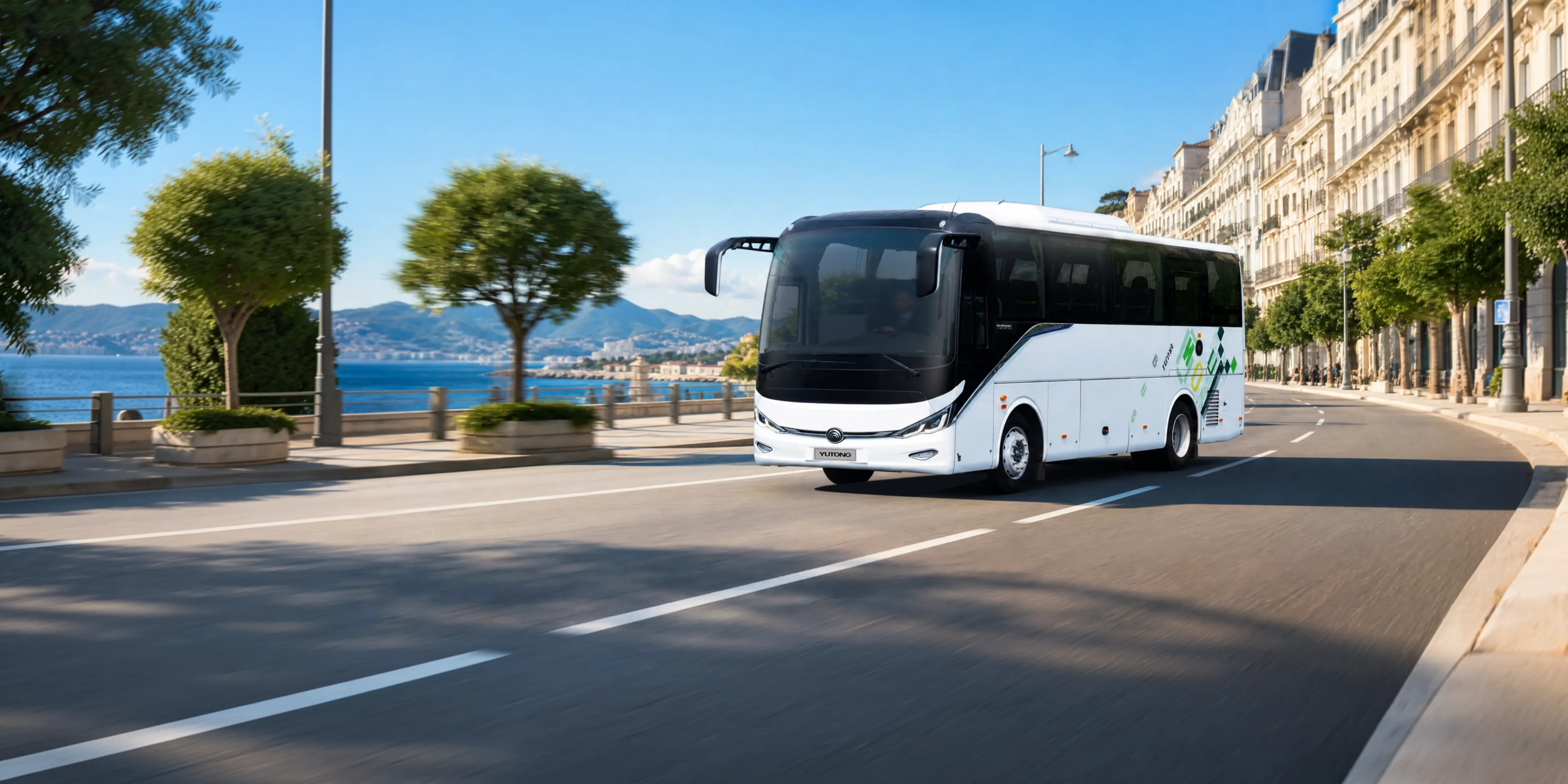
The C9E(ZK6907BEV) provides a practical example. This 9-meter battery-electric tourism coach features an integrated, platform-based high-voltage system design. Its official specifications list 40 seats and a 255 kWh battery capacity. The vehicle demonstrates how coordinated electrical architecture can support stable operation and protective functions.
Its modular platform also incorporates lightweight structural design. This highlights another connection between material sourcing and vehicle engineering. Structural components must satisfy strength requirements while supporting weight reduction. Procurement decisions therefore influence energy consumption, manufacturing consistency, and vehicle performance.
Global Delivery Requires Flexible Supply Networks
International expansion introduces additional supply chain challenges. Vehicle configurations may differ because of local regulations, operating conditions, and customer preferences. Manufacturers must coordinate component specifications, production arrangements, transportation schedules, and technical documentation.
Knock-down production is one approach to international manufacturing cooperation. Vehicle components or assemblies can be shipped for local assembly under defined production arrangements. This requires consistent assembly instructions, quality controls, and coordination between manufacturing locations.
In the electric coach China industry, overseas competitiveness increasingly involves parts availability after vehicle delivery. Operators should examine local repair capabilities, replacement component availability, and technical training. Delayed spare parts can affect fleet scheduling even when vehicles perform reliably.
What This Development Means for Operators
Supply chain innovation has changed how electric coaches are designed, manufactured, and supported. Supplier coordination improves component compatibility, while platform-based engineering supports consistent production. Quality management and spare parts planning extend these benefits into daily fleet operations.
Yutong Bus combines vehicle development with supplier management and international service arrangements. Their approach reflects the importance of connecting manufacturing decisions with customer operating requirements. Transport companies evaluating electric coaches should examine component documentation, maintenance support, and delivery arrangements alongside vehicle specifications before making purchasing decisions.
