
Maximizing diagnostic precision in high-transmission zones requires navigating unique biological and operational hurdles. Clinicians operating in remote clinics or field environments frequently encounter mixed parasite strains and persistent antigenemia that complicate disease management.
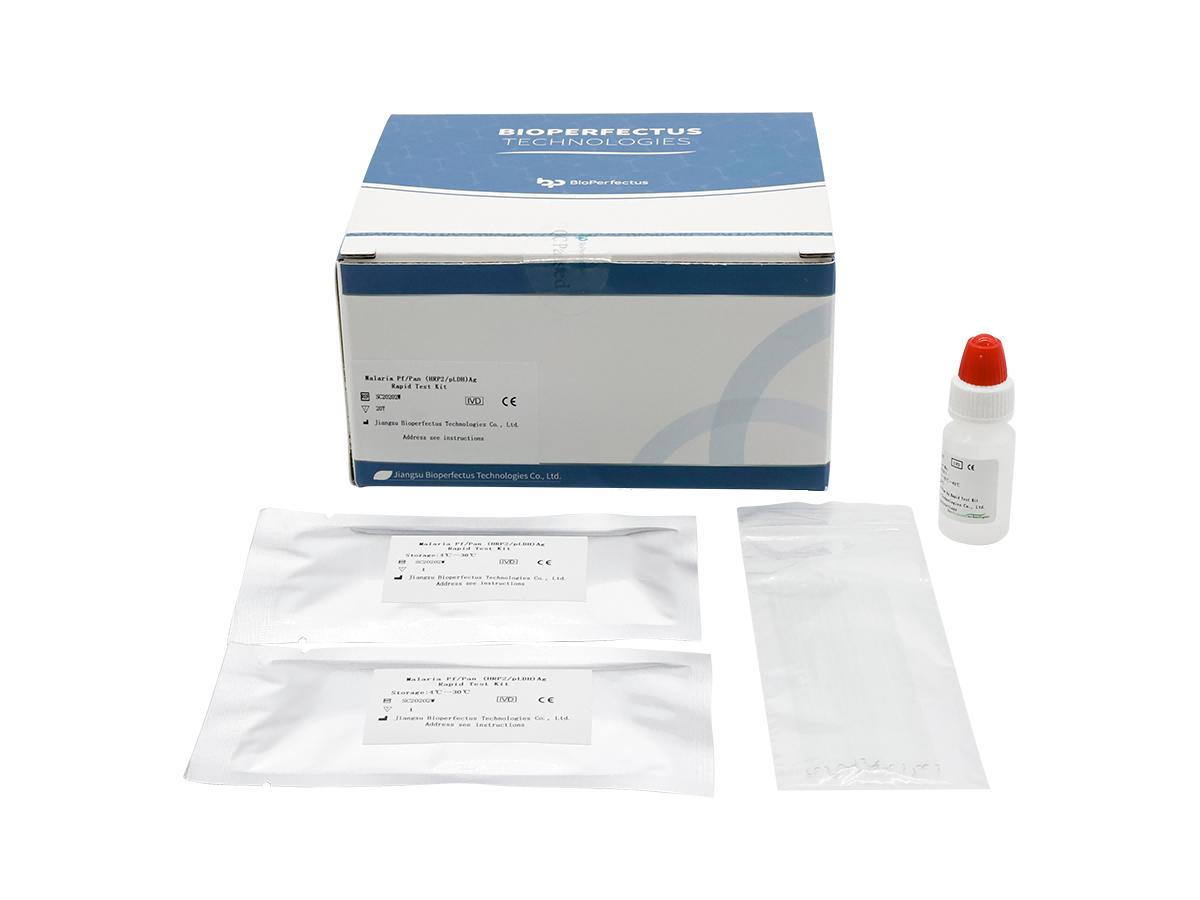
Selecting appropriate diagnostic tools for every clinical evaluation is essential to ensure that patient outcomes remain uncompromised by operational delays. Deploying an effective malaria test kit ensures that healthcare providers maintain diagnostic reliability across diverse patient cohorts and challenging clinical settings.
Frontline personnel often face overwhelming patient volumes combined with constrained laboratory infrastructure in rural outposts. Environmental extremes can degrade sensitive reagents if cold-chain logistics fail during long-distance distribution cycles.
Identifying true parasitemia demands robust methodologies capable of withstanding these decentralized operating realities prior to performing any routine malaria blood test in the field. Administrative leaders must evaluate logistical resilience before deploying diagnostic consumables into remote sector clinics to maintain uninterrupted operational flow.
Navigating Diagnostic Complexities in High-Transmission Settings
Diagnostic delays frequently occur when laboratories rely on conventional techniques that lack species-level differentiation capabilities. Local medical teams require immediate clarity to administer appropriate anti-malarial therapies without delay or unnecessary escalation.
Overlooking non-falciparum presentations can lead to recurring clinical episodes and persistent morbidity among affected populations across endemic areas. Epidemiological control strategies depend greatly on prompt identification of active carriers within vulnerable communities to suppress active transmission chains.
Implementing reliable screening procedures helps mitigate these biological risks by establishing standardized diagnostic benchmarks across regional health networks. Health authorities emphasize that robust protocols reduce misdiagnosis rates significantly during peak transmission seasons when local caseloads surge dramatically.
Sustaining high diagnostic standards directly influences community-level epidemiological control and long-term therapeutic success in regional healthcare programs. Regional hospitals must establish continuous oversight to maintain quality performance across decentralized testing sites.
The Diagnostic Impact of Dual-Marker Target Selection
Targeting both histidine-rich protein 2 and plasmodium lactate dehydrogenase provides a robust solution to persistent biomarker limitations. Assays developed by BioPerfectus leverage this dual-target strategy to identify specific parasite proteins simultaneously with high fidelity.
Capturing both Plasmodium falciparum-specific structures and pan-malarial markers minimizes the risk of overlooking diverse species strains in co-infected patients. Comprehensive antigen detection ensures that mixed infections are identified accurately during initial diagnostic workups in busy clinics.
Medical laboratories gain deeper analytical confidence when utilizing dual-antigen configurations during routine clinical evaluations. Such designs ensure that clinicians receive comprehensive data regarding active parasite presence in patient specimens.
Adopting an advanced malaria test kit transforms how healthcare facilities manage complex vector-borne presentations in endemic settings. Professionals benefit from heightened sensitivity that supports rigorous clinical evaluations in challenging field locations worldwide.
Operational Optimization through Streamlined Testing Protocols
Simplifying execution remains vital when managing urgent cases across decentralized healthcare facilities or mobile testing units. Technicians require formats that minimize procedural steps to reduce human error during high-throughput screening cycles.
The three-step procedure associated with modern test cassettes delivers actionable data within fifteen minutes, supporting rapid clinical decision-making. Operational efficiency directly reduces turnaround times for patients awaiting critical treatment confirmation before clinical departure.
Furthermore, built-in quality control lines confirm test validity on every run, mitigating procedural uncertainties in austere environments. Executing a dependable malaria blood test under field conditions ensures that patients receive timely, accurate interventions.
Laboratories benefit greatly from assay designs that prioritize procedural clarity alongside analytical sensitivity. Standardized procedural workflows minimize training burdens for newly deployed medical personnel operating in remote regions.
Mitigating False Readings Caused by Antigen Persistence
Traditional single-marker assays often struggle to differentiate between active infections and recently resolved cases due to circulating antigen persistence. Incorporating advanced formats into local workflows ensures that medical professionals can distinguish active parasitemia with greater confidence.
BioPerfectus engineers these diagnostics with optimized target selection designed to maintain high specificity across diverse patient presentations. Addressing persistent antigenemia prevents misinterpretation of post-treatment clearance phases during follow-up assessments.
Clearing up ambiguities related to residual antigens prevents unnecessary drug administration and conserves limited medical supplies in resource-constrained facilities. Healthcare providers rely heavily on distinct biomarker profiles to evaluate true treatment responses effectively over time.
Utilizing a validated malaria test kit safeguards diagnostic integrity across challenging clinical environments and community screening programs. Accurate interpretation standards protect institutional resources while enhancing patient safety profiles globally, supporting long-term epidemiological goals.
Optimizing Field-Level Reliability and Storage Integrity
Maintaining reagent stability under challenging environmental conditions is another critical factor for sustaining diagnostic performance in endemic regions. Transport and storage parameters directly influence how well rapid diagnostic tools perform prior to patient application.
Storing testing materials within specified temperature thresholds—such as 4 to 30 degrees Celsius—preserves sensitivity over a 24-month shelf life. Regional distributors must monitor thermal limits carefully throughout complex transit cycles.
BioPerfectus equips clinical networks with robust products designed to withstand rigorous distribution demands while retaining consistent reactivity. Adhering strictly to manufacturer guidelines regarding sample collection and environmental controls protects test validity from collection to final interpretation.
Administering a precise malaria blood test relies heavily on maintaining optimal physical storage parameters throughout the supply chain. Field supervisors ensure compliance by auditing inventory management practices regularly across all operational sectors, guaranteeing optimal performance when evaluating urgent suspected cases.
