
Why Presentation Changes Everything
In today’s crowded SaaS market, even the most powerful product can be overlooked if it looks flat or unconvincing. Visual presentation is no longer optional—it’s a core part of how users judge credibility. That’s where a well-crafted MacBook scene becomes a silent salesperson for your software.
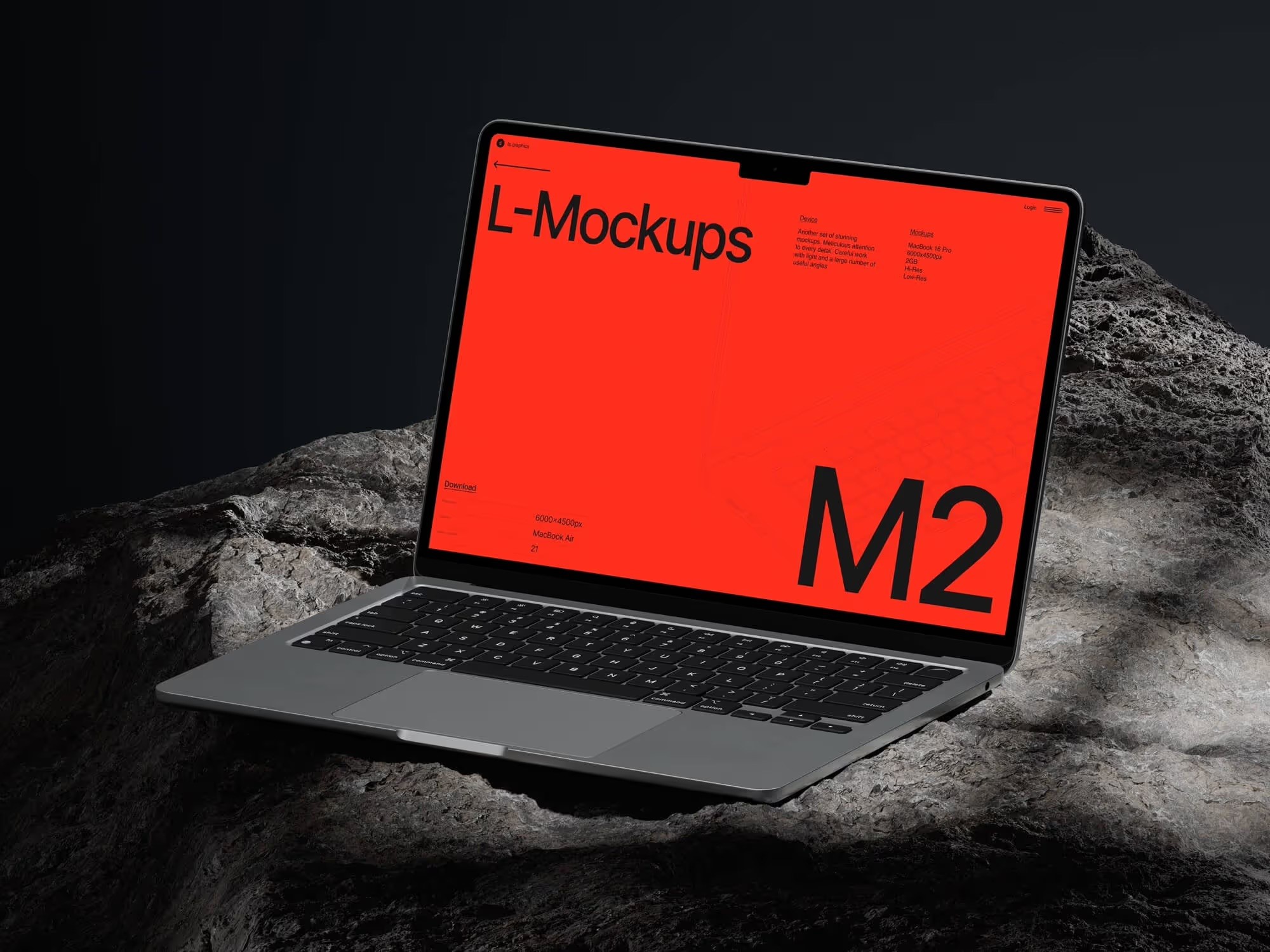
A high-quality macbook mockup helps transform simple screenshots into immersive, real-world visuals that feel tangible, modern, and trustworthy.
Why MacBook Mockups Work for SaaS Brands
SaaS companies rely heavily on digital trust. When users cannot physically interact with a product, design becomes the bridge between curiosity and conversion.
Key advantages include:
- Instant professionalism in marketing materials
- Stronger emotional connection with potential users
- Higher perceived product value
- Consistency across landing pages and ads
Instead of showing raw interfaces, mockups allow you to place your product into realistic environments where it naturally belongs.
Real-World Use Cases of MacBook Mockups in Practice
Companies across industries already use MacBook scenes strategically. Here are practical examples:
- Startup Landing Pages
Early-stage startups often lack brand recognition. By placing dashboards or interfaces inside sleek laptop scenes, they immediately look more established. - SaaS Advertising Campaigns
Paid ads on social media benefit from clean visuals. A mockup helps reduce visual noise and increases click-through rates. - Product Hunt Launches
First impressions on launch platforms are critical. Teams use MacBook compositions to make their product feel polished and ready. - Investor Presentations
Pitch decks use mockups to demonstrate product maturity without requiring live demos. - Email Marketing Visuals
Even newsletters become more engaging when product screenshots are framed inside realistic laptop setups.
MacBook Mockups on ls.graphics: A Creative Toolkit
The collection of MacBook scenes available on ls.graphics is designed for designers, founders, and marketers who care about detail. The assets stand out due to:
- Premium quality rendering that feels almost photographic
- Ultra-realistic lighting and reflections
- Well-organized layers for fast editing
- Multiple angles for flexible composition
- Different color styles to match brand identity
- Minimalistic, stylish layouts suitable for modern SaaS branding
- Edit Online feature for quick customization without complex software
- A wide library of free scenes for experimentation
This makes it easier for teams to test different visual directions before committing to final designs.
Design Tips for Better SaaS Mockups
Use real product screens instead of placeholder images — this makes the mockup more convincing and closer to a real user experience.
Match mockup lighting with your brand tone — lighting and shadows should support your brand mood and remain consistent with your visual identity.
Keep compositions simple and focused — minimalism helps users understand the product faster without unnecessary distractions.
Avoid overcrowding with unnecessary UI elements — overloaded interfaces reduce readability and weaken visual trust in the product.
How Mockups Influence Conversion Psychology
People trust what feels real. When users see your interface inside a realistic MacBook environment, it triggers familiarity and confidence. It reduces perceived risk and helps them imagine your product in their daily workflow.
This psychological effect is especially important for subscription-based products where trust directly influences conversions.
Conclusion: Elevating SaaS Branding with Smart Visuals
Strong SaaS branding is not just about features—it’s about perception. Using tools like MacBook mockups helps bridge the gap between idea and reality, making your product feel established from the very first interaction.
Platforms like ls.graphics provide designers with the resources needed to build that perception quickly and effectively, without sacrificing quality or creative control.
